Best Sustainable Bison Safaris in the United States: A Guide
The American bison (Bison bison) occupies a unique space in the North American consciousness. It functions as a keystone ecological engineer, a cultural icon, and a species defined by its harrowing brush with extinction. Modern bison observation has evolved far beyond the roadside spectacles of the mid-20th century. Today, sophisticated travelers recognize that true engagement requires understanding the complex systemic barriers, genetic, spatial, and social, that govern the species’ recovery.
This guide dissects the operational, ethical, and environmental dimensions of bison-focused tourism. It moves past the superficial “sightseeing” model. Instead, it explores how managed conservation herds and free-roaming populations interact with their landscapes. For those seeking the best sustainable bison safaris the United States offers, the objective must be clear. Support initiatives that prioritize genetic integrity, ecological connectivity, and the restoration of cultural ties between the species and Indigenous communities.
Understanding “best sustainable bison safaris in the United States.”
The term best sustainable bison safaris united states is often used as a marketing descriptor for high-traffic grazing operations. These often prioritize guest volume over ecological immersion. A critical misunderstanding persists. Many assume that any encounter with a bison is a conservation-positive event. In reality, the “best” experiences are those that prioritize the animal’s autonomy. They also prioritize the observer’s education over mere camera proximity.
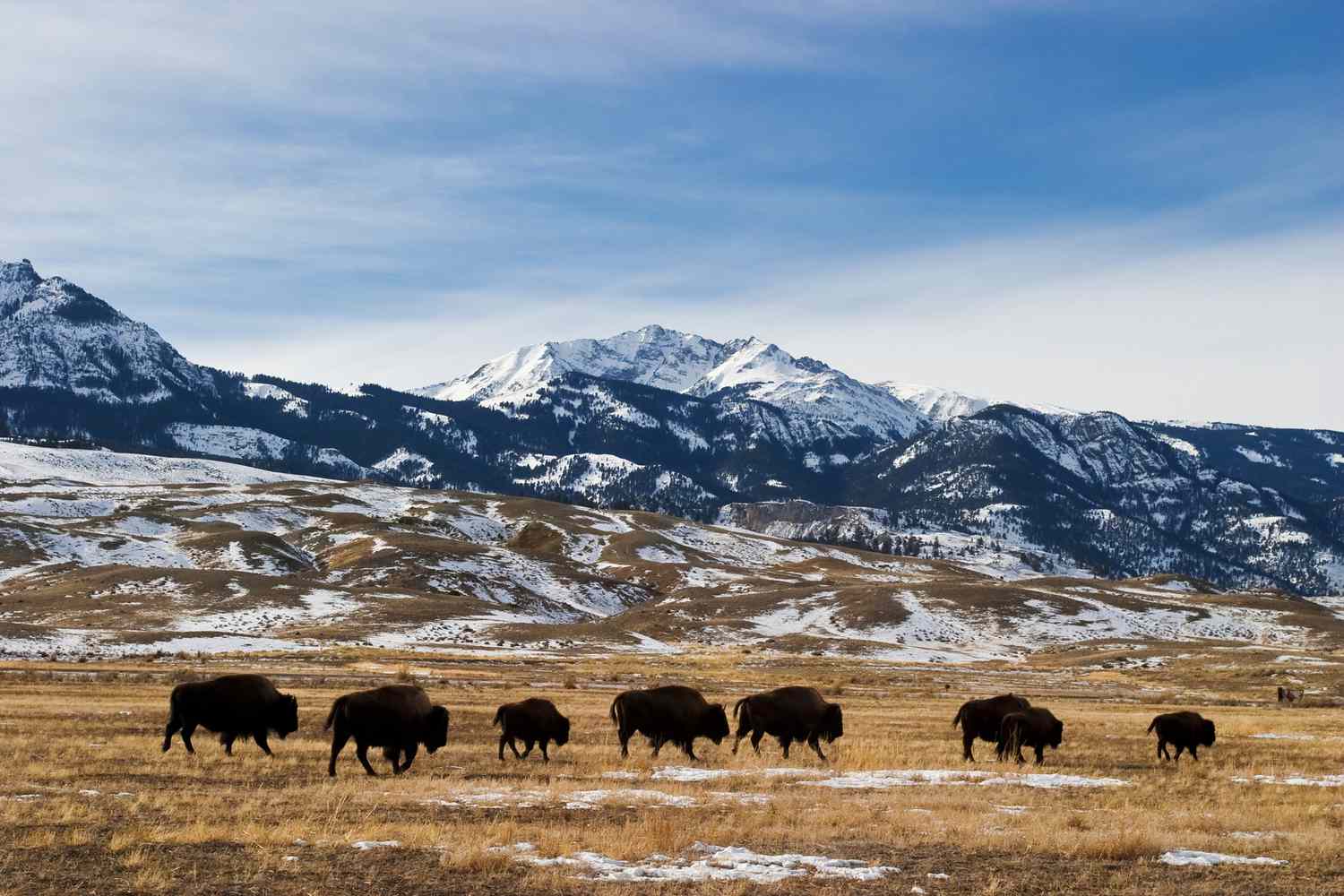
Oversimplification threatens the integrity of these encounters. When visitors approach bison through a lens of “passive consumption,” they view the animal as a zoo exhibit. They miss the profound reality of the species as a landscape-forming keystone herbivore. The truly sustainable model involves observing these animals within large-scale, heterogeneous landscapes. Here, their natural behaviors, such as wallowing, migratory movement, and herd dynamics, unfold without constant human interference. Identifying the best options requires discerning the operator’s role. Are they a steward of the species’ future, or simply a facilitator of human presence?
Deep Contextual Background
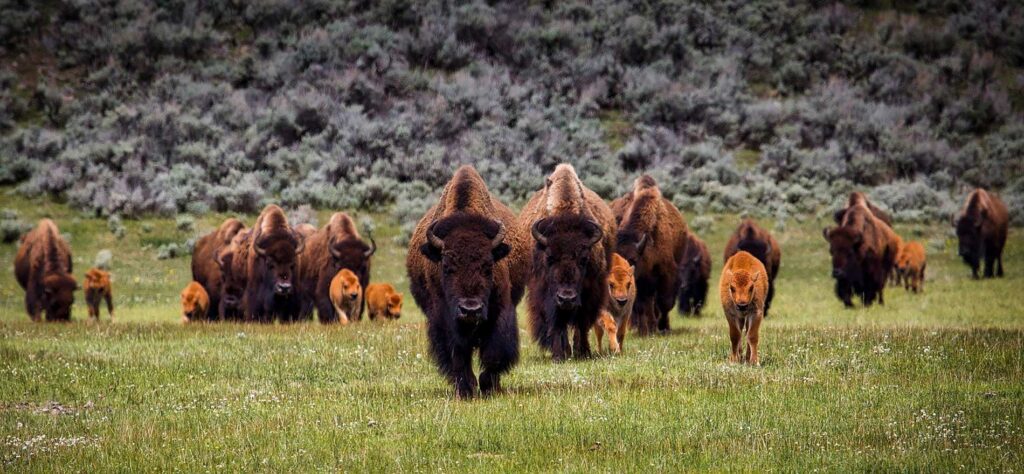
The bison population once reached an estimated 60 million individuals. By the early 20th century, the species faced near-total eradication. This remains one of the most drastic ecological collapses in modern history. Subsequent recovery efforts involved a disparate coalition of private ranchers, federal agencies, and Tribal nations. This effort created today’s landscape of fragmented, small-scale herds.
Modern management faces a persistent tension. We face the biological imperative to restore large-scale, free-roaming herds. Yet, we must contend with practical constraints like private property boundaries, disease management (particularly brucellosis), and public safety. Only about 11% of North American bison are managed for ecological conservation rather than commercial livestock production. Therefore, opportunities for “wild” observation are inherently limited. The professionalized safari sector helps fund this conservation. However, it remains tethered to the struggle of managing a migratory giant in a fenced-in world.
Conceptual Frameworks and Mental Models
-
The Ecological Footprint of Presence: Does the visitor’s arrival inhibit natural herd behavior? True sustainability requires that the observer remain a “ghost” in the system.
-
The Genetic Stewardship Metric: Are these “conservation bison” with genetics untainted by domestic cattle cross-breeding? This indicates whether a herd is managed for long-term species recovery or purely for commercial output.
-
The Shared Stewardship Model: Does the operator collaborate with Indigenous communities? Integrating cultural knowledge and Tribal management into the tourism experience often signals a higher ethical standard.
-
The Habitat-Scale Model: This evaluates the ratio of herd size to acreage. A “sustainable” herd requires a massive contiguous range to maintain natural grazing and trampling patterns.
Key Categories and Operational Variations
| Category | Primary Focus | Ecological Integrity | Skill Requirement |
| Public Agency Core | Large-scale, minimal intervention | Very High | High |
| Tribal Stewardship | Cultural restoration/Ecological | High | Moderate-High |
| Private Conservation | Genetic preservation/Research | High | Moderate |
| Ranch-Based Experiential | Education/Family accessibility | Moderate-High | Low-Moderate |
Deciding between these options requires a realistic self-assessment. Wilderness observation in a National Park demands high self-sufficiency and an acceptance of unpredictability. Conversely, guided ranch-based tours offer a controlled, educational environment that is superior for those interested in the logistical challenges of modern bison management.
Real-World Scenarios and Decision Logic
Consider the “Rutting Season” scenario. During the late summer breeding season, bison are highly active and aggressive. A poorly managed safari might place guests in proximity to a dominant bull to maximize the “thrill.” The failure mode here is the disruption of reproductive behaviors. The responsible decision logic is to prioritize distance, utilizing optics to maintain observational quality without encroaching on the herd’s breeding activity.
Another scenario involves “Disease-Testing Protocols.” In regions like the Greater Yellowstone Ecosystem, bison movement is restricted due to brucellosis concerns. A “safari” that promises uncontrolled roaming in this context may be obscuring the reality of intensive culling and quarantine practices. Acknowledging these constraints is part of a mature understanding of the species’ current conservation status.
Planning, Cost, and Resource Dynamics
Sustainable observation requires recognizing that the “product” is the ecosystem, not the animal.
-
Cost Variability: High-end, conservation-focused guided expeditions often cost more because they limit group sizes to reduce impact and employ experts rather than standard hospitality staff.
-
Opportunity Cost: The best locations are often geographically isolated. The true cost of the visit should include the carbon footprint of transit to these remote regions.
-
Seasonality: Sustainable herds move with the resources. A trip should be timed to match the animal’s natural movement patterns, which may limit the availability of “convenient” travel dates.
Tools, Strategies, and Support Systems
-
Direct-Source Verification: Before booking, inquire if the herd is part of a recognized conservation transfer program or if it is independently managed for ecological goals.
-
Acoustic and Behavioral Observation: Use high-quality binoculars or spotting scopes rather than relying on proximity.
-
Local Community Consultation: Engage with local non-profit conservation groups or Tribal cultural centers to understand how the safari operator is perceived locally.
-
Phenological Tracking: Research the specific flora of the region to understand what the bison are feeding on; this allows the observer to anticipate where the herd will be, reducing the need for intrusive vehicle tracking.
Risk Landscape and Failure Modes
The primary systemic risk is “Greenwashing Drift,” where a standard cattle-ranching operation adds a few bison for tourists and brands it as a “conservation safari.” A second risk is “Compounding Disturbance,” where the cumulative effect of constant, low-level human interactions leads to chronic stress in the herd. These failures are often invisible to the casual observer but have long-term consequences for the population’s reproductive health and social structure.
Governance, Maintenance, and Long-Term Adaptation
The best operators demonstrate:
-
Adaptive Management Cycles: Using annual biological surveys to determine if the tourism volume is negatively impacting herd movement.
-
Infrastructure Sensitivity: Ensuring that fences and viewing blinds are designed to allow for the safe, natural passage of both bison and other local fauna.
-
Transparent Reporting: Maintaining public-facing documentation of their herd’s health, genetic status, and conservation contributions.
Measurement, Tracking, and Evaluation
-
Leading Indicators: The responsiveness of the herd to the presence of observers; the degree to which the guide enforces “leave no trace” and behavioral protocols.
-
Lagging Indicators: Whether the operator has successfully expanded the bison’s range over five years, and the consistency of the herd’s social structure.
-
Documentation: Reviewing the property’s stewardship plan or conservation impact report, if available.
Common Misconceptions and Oversimplifications
-
Myth: “All bison are wild.”
Correction: Most bison are privately owned livestock; true “wild” status is rare and largely restricted to a few protected public landscapes. -
Myth: “The more bison I see, the better the safari.”
Correction: Dense, overgrazed herds are often a sign of artificial management, not ecological success. -
Myth: “Feeding or baiting the bison is an acceptable practice for photography.”
Correction: This is universally considered a failure of ethical management and fundamentally alters the animal’s natural behavior.
Conclusion
The search for the best sustainable bison safaris united states practitioners can provide is not merely about finding a location; it is about aligning oneself with the ongoing effort to secure a future for the species. By rejecting the culture of spectacle and embracing the patience required for genuine observation, the traveler transforms from a consumer of nature into a participant in its recovery. The most rewarding experiences occur in the quiet spaces between the human world and the wild, where the focus remains on the autonomy, dignity, and long-term ecological role of the American bison.