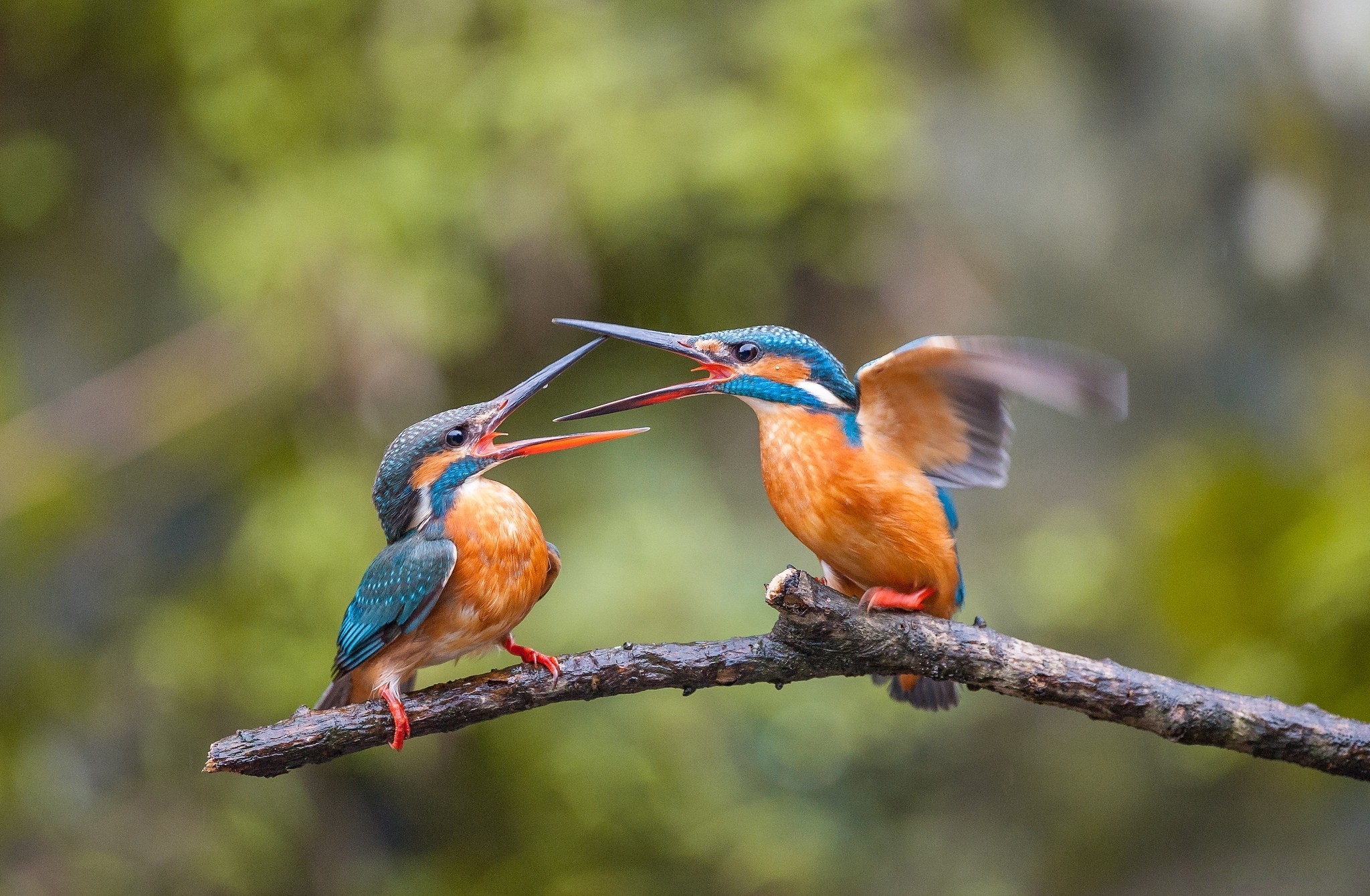
Best Bird Watching Tours in the United States: An Ethical Guide
Bird observation has evolved. It moved from a nineteenth-century pursuit of collection, often involving specimen procurement, into a sophisticated engagement with ecological systems. This maturation reflects a broader societal transition. Nature is no longer viewed merely as a commodity or a backdrop. Instead, society now recognizes it as a complex, vulnerable web of biological interactions. The modern birder, armed with high-resolution optics and digital databases, enters the field with new expectations.
This surge in interest presents a profound paradox. Birding has become a massive economic force, contributing billions to local and federal economies. Yet, the physical presence of humans in sensitive habitats inevitably alters the behavior of the species they seek to observe. The professionalization of the guiding industry provides a potential solution. It offers a structured, high-value, low-impact model for engagement. However, the search for meaningful experiences risks falling into a cycle of inadvertent ecological disturbance without a rigorous understanding of the standards governing these operations.
Identifying high-quality tour operations requires discerning stewardship from spectacle. The most resilient organizations subordinate guest satisfaction to the biological needs of their subjects. They prioritize habitat integrity and long-term conservation outcomes over the “quick hit” of a rare sighting. This guide establishes a diagnostic framework for navigating the marketplace. It ensures that the pursuit of avian knowledge remains a restorative force rather than an extractive one.
Understanding “best bird watching tours united states.”

The phrase best bird watching tours in the United States is frequently used as a catch-all marketing term. Yet, it masks a fragmented reality. Commercial interests often define “best” through metrics like species counts, proximity to rare birds, or luxury amenities. However, these metrics are often tangential to the core requirement of ethical avitourism. A tour that prioritizes a high “life list” tally at the expense of nesting bird safety is, by any ecological measure, a failure.
The risk of oversimplification lies in assuming all birding-focused travel is inherently benign. Many operators fall into the trap of “heritagization.” They promote specific sites as hotspots, leading to localized over-tourism and habitat degradation. When evaluating the best bird watching tours united states market, one must look for indicators of “mindful” operation. True quality is not measured by the frequency of sightings. It is measured by the restraint exercised by the guide and the degree to which the tour contributes to long-term habitat protection.
Deep Contextual Background
American birding emerged from a tension between the scientific collection era of “shotgun ornithology” and the nascent conservation movement of the late 1800s. The publication of early field guides democratized identification. It moved the practice from a cloistered academic pursuit into the public sphere. Throughout the 20th century, road network expansion and the increased accessibility of high-quality optics accelerated this trend. They turned birding into a mass-participation activity.
We currently reside in what many characterize as the “Golden Age” of birding. It is defined by unprecedented access to information and travel. Yet, this accessibility has outpaced our development of institutional safeguards. The U.S. Fish and Wildlife Service and organizations like the National Audubon Society provide foundational data. However, the actual management of birding tourism remains largely decentralized. It is governed by a patchwork of private interests and land-use regulations. As the hobby shifts toward younger and more diverse demographics, pressure on high-profile sites has intensified. This requires a new, more robust standard of operational ethics.
Conceptual Frameworks and Mental Models
-
The Disturbance Gradient: Every avian species has a specific “buffer zone” of tolerance. High-quality tours operate well outside these boundaries. They recognize that even “quiet” groups can stress birds during critical life cycles, such as breeding or migration.
-
The Ecological Multiplier: This diagnostic tool determines a tour’s value. Does the tour contribute to local habitat conservation? It may do so through fees, data collection (like eBird reporting), or direct lobbying. A tour that does not “give back” to the site is effectively an extractive endeavor.
-
The Agency-of-the-Subject Model: This shifts the focus from the observer’s “rights” to the bird’s biological necessity. The guide’s role is to facilitate observation without becoming a focal point of anxiety for the avian subjects.
-
The Economic-Leakage Metric: A high-quality operator ensures funds remain in the local community. They hire local experts rather than flying in external guides. This incentivizes the protection of the birding site for local stakeholders.
Key Categories and Operational Variations
| Category | Typical Focus | Conservation Contribution | Skill Requirement |
| Research/Survey Tours | Data collection | High | Professional |
| Conservation-Funded | Habitat restoration | Very High | High |
| Specialist/Pelagic | Rare species/Hard-to-reach | Moderate | High |
| Generalist/Educational | Introduction to birding | Low-Moderate | Moderate |
The decision logic here is clear: align your trip goals with the tour category. For those serious about long-term impact, focusing on tours that function as an extension of scientific field work, often categorized as research-survey trips, provides the most meaningful alignment between observer and objective.
Real-World Scenarios and Decision Logic
Consider the “Rare Migrant” scenario. A legendary bird is sighted in a high-traffic area. An unethical tour operator will maximize the number of “clients” pushed through the site to catch a glimpse. The failure mode here is the “flushing” effect, where birds are forced to take flight, burning vital energy stores needed for migration. The ethical decision logic is to limit group viewing times, enforce strict silence, and decline to provide “private” viewings that disrupt the birds’ feeding habits.
Another scenario involves “Audio Playback.” While playing recorded bird calls can bring a species into view, it also interferes with breeding and territoriality. The most sophisticated guides treat playback as a “last resort” tool, used only in non-breeding, low-disturbance contexts, rather than a standard operational practice.
Planning, Cost, and Resource Dynamics
The “price” of a tour is rarely a direct reflection of ecological quality. In fact, high-end, low-impact tours often cost more because they maintain small group sizes (often six or fewer) and prioritize sites that do not rely on massive, high-volume tourism infrastructure.
-
Fixed vs. Variable costs: Expect high overhead in operations that prioritize remote sites, as logistical support is expensive.
-
Opportunity Costs: Booking a “cheap” tour often means opting for sites with heavy infrastructure, which may be degraded compared to more secluded, cost-intensive locations.
-
Variable range: Tours can range from $200 for a local half-day excursion to $10,000+ for multi-week, remote expeditions.
Tools, Strategies, and Support Systems
-
Direct-Vetting: Call the operator and ask specific questions about their “disturbance policy.” If they cannot clearly articulate their distance protocols or their use of playback, they are not acting at the highest level of professional ethics.
-
Peer Verification: Consult regional birding clubs or listservs rather than generic travel sites. The local birding community usually knows which operators are respectful and which are known for “aggressive” guiding.
-
The eBird Standard: High-integrity tour companies will almost always be involved in community science, consistently contributing their findings to platforms like eBird.
Risk Landscape and Failure Modes
The “Greenwashing” phenomenon is a significant threat. A company may tout its “eco-friendly” status while operating on a business model that encourages unsustainable levels of visitor traffic to delicate sites. Compounding this is the “Competitive Pressure” dynamic: operators are incentivized to “get the bird” at all costs because their reputation depends on it. This creates a systemic failure where the individual guide is personally ethical but professionally constrained by the business model.
Governance, Maintenance, and Long-Term Adaptation
Ethical operations do not view a birding site as a static asset. They engage in iterative management.
-
Seasonal Adjustment: The best operators shift their schedules based on the biological needs of the birds, avoiding certain habitats entirely during sensitive seasons.
-
Review Cycles: Reputable firms evaluate their impact post-season, reviewing guide behavior and client feedback to ensure protocols were followed.
-
Layered Governance: Look for companies that subscribe to voluntary industry standards, such as the American Birding Association’s Code of Ethics, and hold their staff to these requirements via contractual obligations.
Measurement, Tracking, and Evaluation
-
Leading Indicators: Does the operator explicitly refuse to visit sites that are currently experiencing ecological distress, even if the birding is “good”?
-
Lagging Indicators: Does the operator have a history of complaints from local conservation groups, or conversely, a record of collaboration on restoration projects?
-
Documentation: Review the tour descriptions for transparency regarding their environmental policy. A generic statement is rarely enough; specific, actionable commitments are the mark of a mature operation.
Common Misconceptions and Oversimplifications
-
Myth: “Watching from a distance doesn’t affect the bird.”
Correction: Physiological stress can occur even when the bird appears to be behaving “normally” from a distance. -
Myth: “The more birds I see, the better the tour.”
Correction: A lower species count often indicates a more measured, respectful, and ethical pace of observation. -
Myth: “Photography is always neutral.”
Correction: Modern photography, with long-lens setups and persistent focus, can be one of the most intrusive forms of birding.
Conclusion
The search for the best bird watching tours united states market requires the observer to act as a critical participant in the conservation landscape. There is no automated shortcut to finding an operator that aligns with the highest ethical standards; it demands research, patience, and a willingness to prioritize the biological health of the ecosystem over the desire for an exhaustive “life list.” By choosing to support only those who treat the natural world with reverence and restraint, we ensure that the practice of birding remains an instrument of preservation rather than a catalyst for decline. The responsibility lies with the birder to demand better, not just from the birds, but from the industry that guides us to them.