How to Avoid Unethical Wildlife Encounters: A Professional Guide
The commodification of wild animals has become a pervasive feature of modern tourism. A global industry has emerged under the veneer of “eco-friendly” education or “conservation-focused” interaction. It prioritizes the immediate gratification of travelers over the biological autonomy and welfare of target species. This dynamic is more than an inconvenience. It represents a fundamental distortion of our relationship with the natural world. It often results in systemic habitat degradation and the psychological erosion of animals caught in cycles of forced human proximity.
True stewardship requires a departure from the passive role of the “consumer.” We must shift toward a disciplined, observational, and non-intrusive paradigm. When humans impose themselves upon wild creatures through feeding, touching, or close-range photography, they trigger physiological stress. Casual observers frequently overlook these responses. The challenge lies in dismantling the expectation that an “authentic” wildlife encounter must be tactile or hyper-proximate. A genuinely ethical experience is defined by an animal’s freedom to exist, behave, and move without human interference or coercion.
Understanding “how to avoid unethical wildlife encounters.”
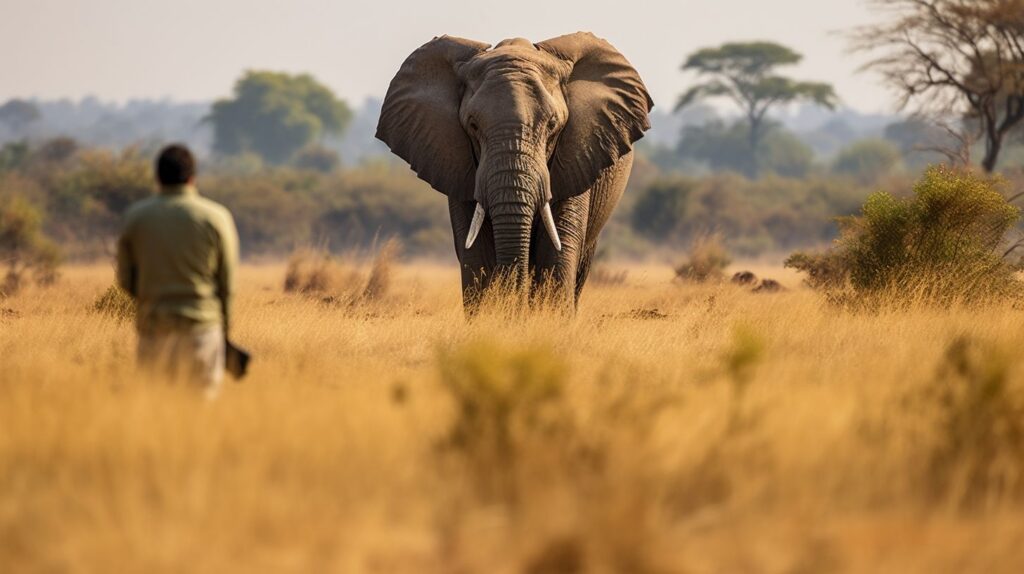
The primary obstacle when researching how to avoid unethical wildlife encounters is the sophistication of the “conservation-washing” narrative. Operators often wrap exploitative activities, such as lion cub petting or elephant riding, in the language of education or sanctuary rescue. A common misunderstanding is that “sanctuary” or “rescue” are legally protected terms. In many jurisdictions, these are merely unregulated branding devices. By creating an emotional connection to an animal that appears “rescued,” an operator bypasses the traveler’s skepticism. This creates a moral loophole where the visitor believes their money supports a worthy cause. In reality, it fuels an extractive industry.
Oversimplification remains a primary risk to integrity. Travelers are often encouraged to follow simple checklists. However, a binary “good versus bad” list rarely survives contact with the complex reality of wildlife management. True leadership in this sector involves a hierarchical approach. Prioritize observations that utilize significant distance. Reject any activity that offers physical contact. Scrutinize the governance of the site. Learning how to avoid unethical wildlife encounters is an iterative, intellectual process. It demands that we interrogate not only the immediate experience but the entire supply chain of an operator’s animal sourcing, maintenance, and ultimate disposition.
Deep Contextual Background
The evolution of wildlife tourism is marked by a transition from colonial-era hunting to the mid-20th-century model of “park-based tourism.” As human populations expanded and wild habitats contracted, spontaneous, non-intrusive wildlife interactions became rarer. This scarcity, combined with the rise of global mobility, created an enormous market demand for “guaranteed” sightings. In response, the industry shifted toward manipulation. Operators trained animals, habituated them to human presence, and eventually confined them in environments designed for optimal photography or tourist engagement.
This systemic evolution has rendered many modern “safaris” and “animal interactions” fundamentally artificial. The shift toward captive or semi-captive settings is driven by a desire to monetize wildlife while ignoring the evolutionary costs of habituation. Recognizing this history is essential. It explains why credible conservationists advocate for wild-only, distance-based observation. The path to avoiding unethical wildlife encounters begins with an acknowledgment. We must recognize that the modern demand for “up-close” interaction is a direct product of, and a major driver for, the degradation of the very wildlife populations we claim to value.
Conceptual Frameworks and Mental Models
To evaluate the integrity of wildlife-based tourism with the necessary rigor, one should apply these mental models:
-
The Agency-Constraint Continuum: This model asks, “Does the animal have the agency to leave the interaction?” If an animal is tethered, caged, or driven into a corner by a vehicle, the interaction is fundamentally coercive.
-
The Ecological Disturbance Model: This assesses the physiological cost of human presence. Even without physical contact, the proximity of vehicles or large crowds can disrupt critical behaviors. This includes foraging, nursing, and predator avoidance.
-
The Economic-Transparency Framework: This analyzes where revenue from the encounter actually lands. Does the operator have a direct, audited relationship with habitat conservation? Or is the “conservation” label merely a marketing veneer?
-
The “Sanctuary” Integrity Test: This evaluates the purpose of a facility. Is the site used for breeding or public display? Or is it a place where animals are rehabilitated and eventually released into the wild without visitor access?
Key Categories and Operational Variations
The following table summarizes the ethical footprint of various common encounter types, helping you understand how to avoid unethical wildlife encounters effectively.
| Category | Typical Modality | Ethical Integrity |
| Active Captivity | Petting, riding, handling | Extremely Low |
| Controlled Staging | Feeding for photos, habituation | Low |
| Wildlife Watching | Open range, strict distance rules | High |
| Scientific Research | Non-invasive data collection | High |
| Passive Observation | Spontaneous, non-managed | Highest |
Decision logic for these categories should prioritize the lack of interference. An encounter where you are the passive, distant observer is inherently more ethical than an encounter where the operator facilitates a “special moment” for the guest.
Real-World Scenarios and Decision Logic
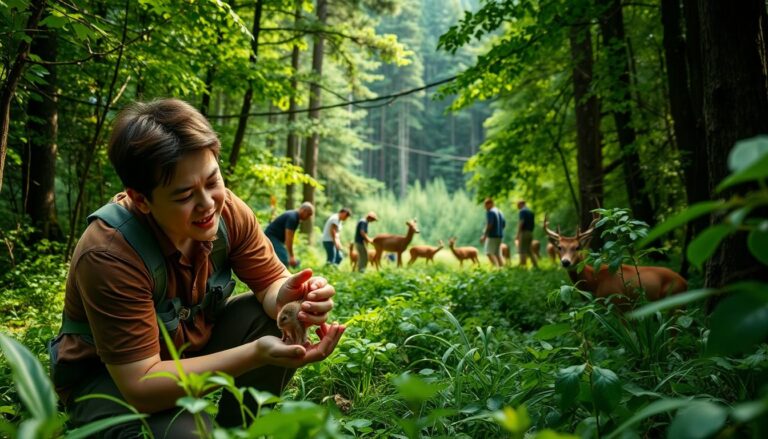
Consider the “Sanctuary Visit” scenario. The constraint is the intense emotional draw of seeing animals in need. The decision point occurs when you see visitors being invited into enclosures. A high-integrity sanctuary maintains a “no-contact” policy for all visitors, prioritizing the animal’s psychological well-being over the guest’s desire for a selfie. A failure mode here is “the educational exception,” where guides justify contact as necessary for the animal’s training or enrichment, a common, misleading justification for continued exploitation.
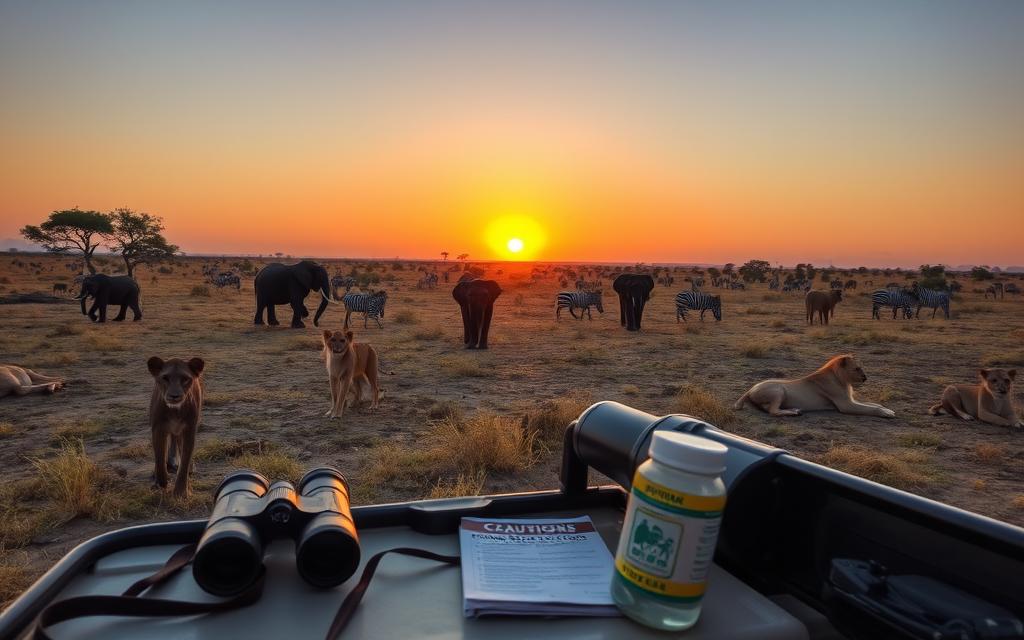
Another scenario involves the “Big Five” vehicle cramming. You are in a park where twenty vehicles are surrounding a cheetah. The failure mode is the pressure on the lead driver to move closer to satisfy the guests’ demand for a better view. The decision logic for the ethical traveler is to advocate for distance, or if the driver refuses, to record the incident and report the operator’s failure to maintain a respectful distance buffer, effectively removing your financial support from that cycle of disturbance.
Planning, Cost, and Resource Dynamics
The economic management of ethical wildlife travel is a reflection of one’s values, not necessarily one’s income.
-
The “Access Premium”: Genuine, wild-range safaris or expeditions often require more time and effort to organize, but the cost per encounter is not always higher than that of a captive attraction; it is simply better allocated.
-
Economic Leakage: Travelers must look for operators that minimize leakage, ensuring revenue flows to those who manage the habitat, not those who merely manage the marketing.
-
Transparency as Value: An operator that provides detailed documentation of its conservation impacts is investing in integrity rather than just high-end, luxury amenities.
Tools, Strategies, and Support Systems
-
Independent Verification Networks: Prioritize operators that are members of reputable, non-profit conservation associations that require peer-reviewed standards.
-
Behavior-Based Interaction Logs: Demand to see the operator’s protocol for managing distance and animal responses.
-
Citizen-Science Contributions: Seek operators that facilitate data-collection activities (e.g., photo identification of animals) which contribute to conservation science without direct contact.
-
Third-Party Site Audits: Use satellite imagery to verify the quality of the enclosure and the natural range available to the animal.
-
Local NGO Consultation: Contact local conservation groups in the destination to see if they endorse the facility you are considering.
Risk Landscape and Failure Modes
The primary systemic threat is Market Complicity, where travelers, in their desire for a “good” experience, provide the financial demand that keeps abusive operators in business. Another compounding risk is Regulatory Atrophy, where local authorities lack the resources or political will to enforce even basic welfare standards for captive or habituated wildlife.
A further risk is Cognitive Dissonance, where the traveler notices “red flags” (e.g., dull eyes, stereotypical pacing, forced interaction) but dismisses them to avoid the guilt of having paid for an unethical activity. Addressing this requires a firm commitment to intellectual honesty and the immediate withdrawal from any interaction that feels, or clearly is, forced.
Governance, Maintenance, and Long-Term Adaptation
Ethical engagement with wildlife is a dynamic state. Governance structures must be designed to adapt to new findings in ethology and local environmental changes.
-
Adaptive Review Cycles: Every reputable tourism operation should have a biennial, independent audit of its wildlife management practices.
-
Adjustment Triggers: If an operator observes increased physiological stress in a target species (e.g., increased flight-initiation distance), the management plan should trigger an automatic increase in the buffer zone.
-
Layered Governance Checklist: Oversight must include scientific experts, local land managers, and stakeholders to ensure that policies remain grounded in ecological, not just economic, reality.
Measurement, Tracking, and Evaluation
-
Leading Indicators: The specificity and accessibility of the operator’s welfare protocols; the percentage of time guests spend at a distance (vs. proximity); the clarity of the operator’s conservation-funding breakdown.
-
Lagging Indicators: Long-term reproductive output of the local population; the successful maintenance of natural behaviors in a landscape; the consistent absence of human-induced injury or behavior changes.
-
Examples of Evidence: Annual conservation impact reports, external behavioral welfare audits, and transparency records showing where every cent of “conservation fees” is spent.
Common Misconceptions and Oversimplifications
-
Myth: “If the animal is in a sanctuary, it’s being cared for.”
Correction: Many “sanctuaries” are simply commercial breeders/display sites with a marketing name. -
Myth: “Touching an animal is a way to create a bond/empathy.”
Correction: It creates a false, anthropomorphic sense of a bond; true empathy is developed through respectful, distant observation. -
Myth: “Photography isn’t harmful if I’m quiet.”
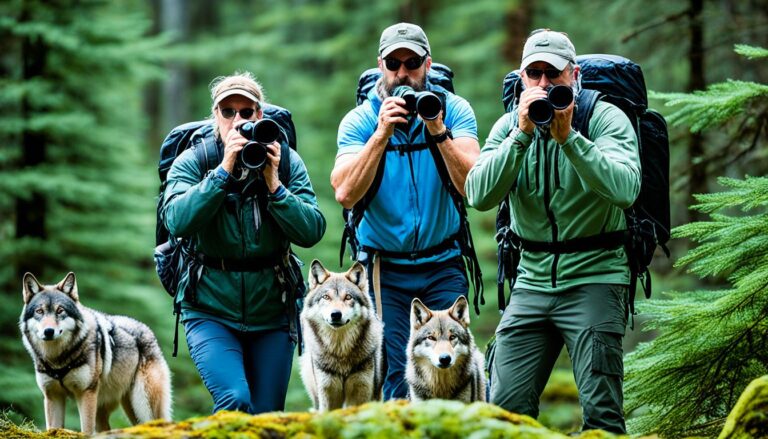
Correction: It is the proximity, not the volume, that induces the stress; sustained, high-intensity focus from human observers is a form of harassment. -
Myth: “The animal is used to humans.”
Correction: That is not a state of nature; it is a state of habituation, which often makes the animal more vulnerable to predation or injury. -
Myth: “I’m helping by paying for this.”
Correction: You are helping only if the money goes directly to habitat protection and enforcement, not if it stays in the hands of the display operator.
Conclusion
Learning how to avoid unethical wildlife encounters is a foundational responsibility for any traveler who claims to value the natural world. It requires that we move beyond the immediate, selfish desire for an “up-close” encounter and embrace the broader, more nuanced reality of what wildlife requires to thrive: the space, the autonomy, and the lack of interference to live as independent, non-instrumental beings. By prioritizing distance, demanding systemic transparency, and rejecting any practice that treats a sentient creature as a prop, we can ensure that our presence is a neutral, sustainable, and truly respectful component of the global wild. This is a journey that demands constant vigilance, rigorous research, and a profound respect for the inherent, independent dignity of every creature we are privileged to observe.