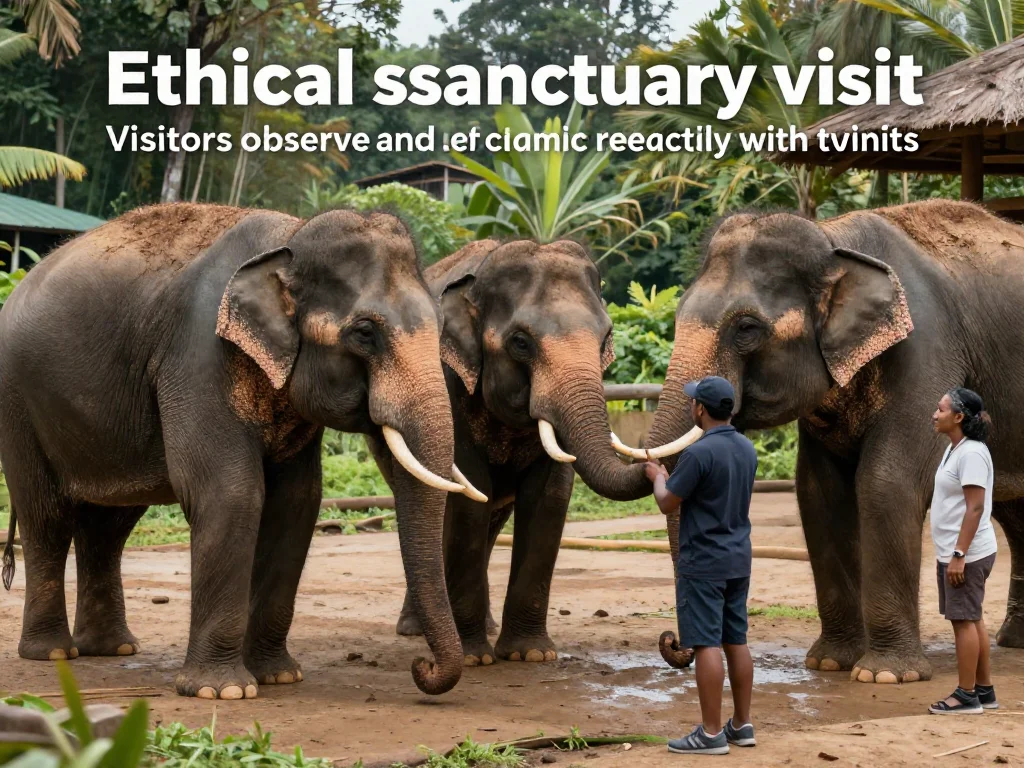
Ethical Animal Sanctuary Destinations in the USA: A Definitive Guide
The modern pursuit of animal welfare has catalyzed a profound shift in how the public interacts with captive wildlife. What was once a landscape dominated by roadside menageries and exhibitory zoos is gradually yielding to a more rigorous, ethics-driven model of sanctuary care. However, the lack of a legally protected definition for the term “sanctuary” has created a fractured ecosystem where legitimate, life-saving facilities must compete for public attention and funding against commercial entities that exploit the terminology for profit.
Distinguishing between genuine rescue operations and sophisticated marketing fronts requires more than a cursory review of a facility’s website. It demands an understanding of the systemic principles that define ethical care principles that prioritize the biological and psychological autonomy of the animal over the recreational desires of the human observer. For the curious traveler or the prospective donor, the objective is to cultivate a discernment that sees past the “rescue” narrative to the underlying mechanisms of governance, habitat design, and long-term sustainability.
This guide serves as a foundational reference for identifying and supporting truly responsible facilities. By dissecting the operational frameworks of accredited sanctuaries and exposing the “pseudo-sanctuary” traps that persist in the industry, this article provides the tools necessary to navigate the complex world of animal care. We aim to foster a culture of informed engagement where human interaction is subordinated to the well-being of the inhabitants, ensuring that our presence in these spaces contributes to, rather than compromises, their restoration.
Understanding “ethical animal sanctuary destinations USA.”
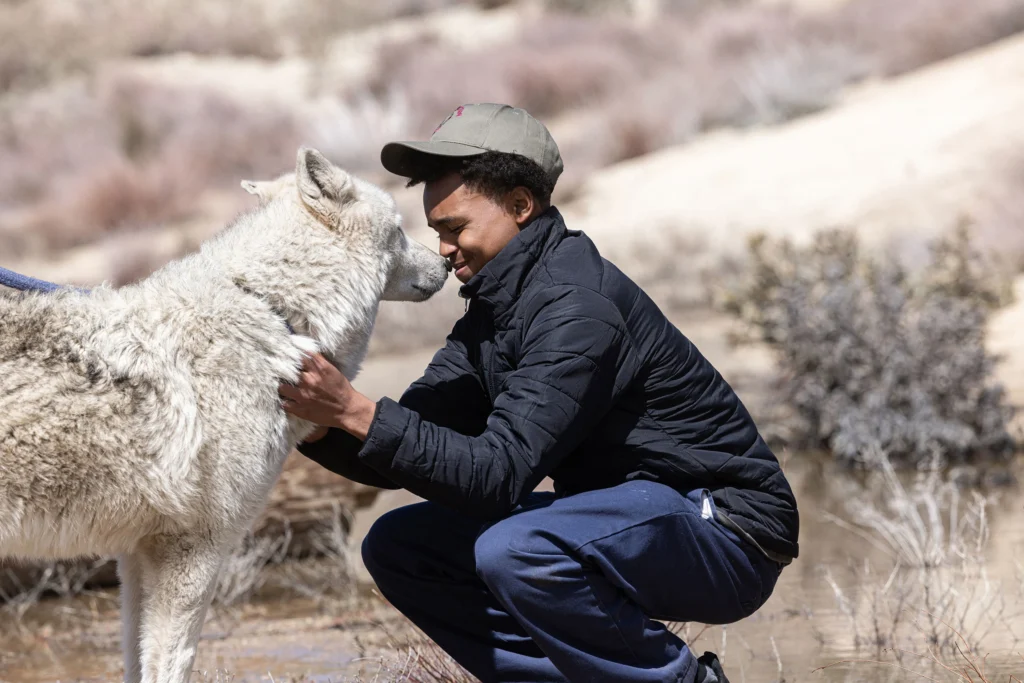
The term ethical animal sanctuary destinations USA ” is frequently co-opted by entities whose business models are fundamentally extractive. This appropriation creates a significant barrier to consumer clarity. A common misunderstanding assumes that if a facility claims to be a “rescue” or “sanctuary,” it must, by definition, be ethical. This conflation of nomenclature with intent allows roadside zoos, private menageries, and breeding operations to capture the support intended for legitimate recovery centers.
True ethical sanctuaries operate on a “non-exploitative” mandate. This means the animal’s life is not a commodity, and its daily experience is not curated to provide a return on investment for the human operators. Oversimplification, such as judging a facility solely by the presence of greenery or the “happiness” of an animal based on a single photograph, leads to misinformed advocacy. The “best” destinations are those where the environment facilitates natural behavior, not performance. They are often characterized by what they do not do: they do not breed, do not allow casual physical contact, do not use animals for entertainment, and do not buy or sell sentient beings.
Deep Contextual Background
The evolution of animal care facilities in the United States reflects a broader, slow-moving cultural shift toward animal rights and anti-exploitation ethics. Historically, the “menagerie” model, where wild animals were caged for public viewing, was the standard. Over the 20th century, the rise of the zoo industry introduced “conservation” as a justification for captivity. However, this often ignored the psychological and social needs of individual animals.
In recent decades, the sanctuary movement has emerged as a direct response to the surplus of “failed” exotic pets, retired research subjects, and victims of the performing arts industry. Unlike zoos, which often focus on species-level preservation, true sanctuaries are centers of individual welfare. The emergence of accrediting bodies like the Global Federation of Animal Sanctuaries (GFAS) has been a pivotal development. These organizations have standardized care criteria, providing a verifiable “seal of approval” that separates professional welfare-focused facilities from the unregulated, profit-driven fringe.
Conceptual Frameworks and Mental Models
-
The Autonomy-Centric Framework: Evaluates whether the animal has the agency to choose its activity, social companionship, and environment. A “free” animal in captivity can choose to retreat from human view at any time.
-
The Institutional Transparency Model: Assesses a facility’s openness regarding its financial records, origin of animals, and policy toward breeding. If an organization is opaque about how its revenue is generated, it fails the basic test of institutional integrity.
-
The Lifetime Care Mandate: Views the animal as a permanent ward. This model rejects the idea of “swapping” animals or trading them to other facilities, ensuring the animal’s social bonds are respected until the end of its life.
-
The “Five Freedoms” Benchmark: A standard metric ensuring freedom from hunger, discomfort, pain, fear, and the freedom to express normal behaviors. Ethical destinations utilize these as the baseline for all facility decisions.
Key Categories and Operational Variations
The taxonomy of captive facilities is often intentionally blurred by operators. Distinguishing between them requires observing their primary objective and operational constraints.
| Facility Type | Primary Objective | Public Access | Breeding Policy |
| Accredited Sanctuary | Individual welfare | Extremely limited | None |
| Wildlife Rehabilitation | Reintroduction to the wild | Zero (to prevent habituation) | None (unless for release) |
| Conservation Zoo | Species-level breeding/display | High | Yes (programmatic) |
| “Pseudo-Sanctuary” | Profit through exhibition | Unlimited | Often (for “exhibit” appeal) |
Decision logic should prioritize facilities that limit public access. The more a facility promotes “up-close” encounters, the higher the likelihood that the animal’s welfare is being compromised to meet customer expectations.
Real-World Scenarios and Decision Logic
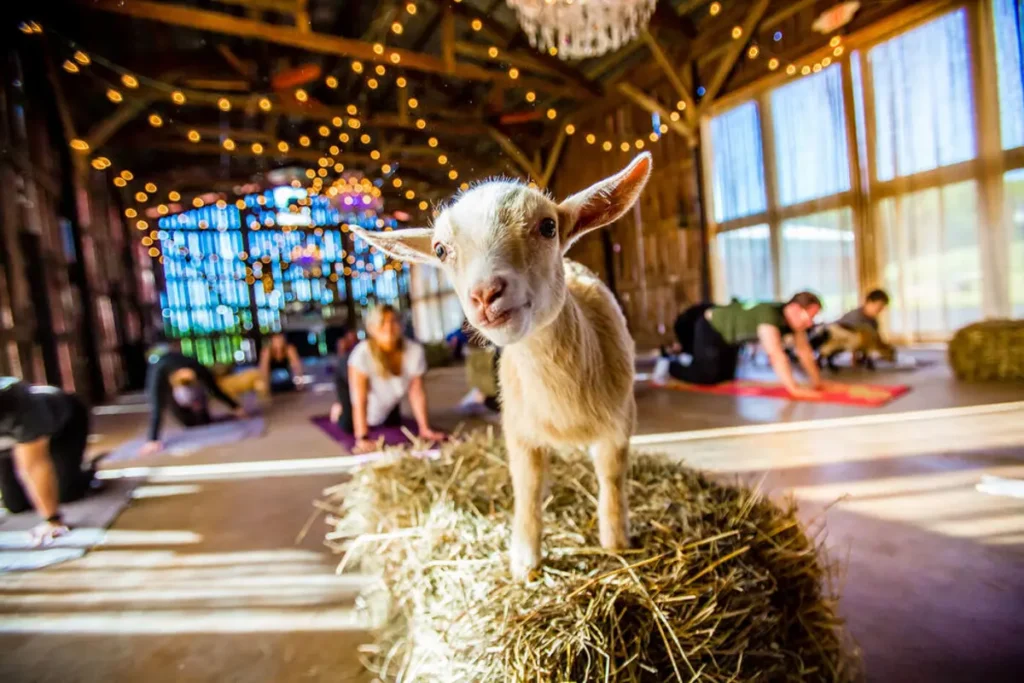
Consider the “Cub Petting” Scenario. A facility offers photos with a lion or bear cub. The failure mode here is the direct link between “petting” and the trauma of early separation from the mother. An ethical observer recognizes this as a major red flag and avoids the facility entirely.
Contrast this with the “Sanctuary Tour” Scenario. A visitor schedules a pre-booked, guided walk at a legitimate facility. The guide explains the individual backstories of the animals (e.g., a former laboratory primate or a retired circus tiger). The animals remain in their habitats, choosing whether to approach or hide. This is an ethical, educational experience that respects the animal’s boundary.
Planning, Cost, and Resource Dynamics
| Cost Variable | Ethical Sanctuary | Commercial Menagerie |
| Access Fees | Moderate (to support upkeep) | Low (or tiered for “add-ons”) |
| On-Site Spending | Rare (donations encouraged) | High (merchandise, photo-ops) |
| Infrastructure | Large-scale, functional | High-visibility, decorative |
The true cost of supporting an ethical destination is not just the entry fee but the investment in a facility that consumes significant resources to provide a high standard of care without the return of a commercial product.
Tools, Strategies, and Support Systems
-
Accreditation Registries: Always cross-reference facilities with the GFAS database. This is the most reliable tool for vetting.
-
Social Media Audit: Look for “posed” photos. If an account features selfies with animals, the facility is likely prioritizing tourism over ethics.
-
Financial Disclosures: Review Form 990s for non-profit status. A transparent sanctuary will show expenses consistent with veterinary care, nutrition, and habitat maintenance.
-
Local Community Vetting: Speak with local wildlife experts or non-profit advocates who monitor regional animal welfare.
Risk Landscape and Failure Modes
The primary risk is “The Exploitation Loop.” A sanctuary takes in rescued animals, then uses them for “educational” shows to pay the bills, eventually becoming dependent on the presence of the animals for income. This creates a disincentive to rehabilitate or protect the animal from human interference. Compounding this is the “Charity Vacuum,” where pseudo-sanctuaries divert donations away from authentic facilities that provide more expensive, higher-quality care.
Governance, Maintenance, and Long-Term Adaptation
Ethical sanctuaries must maintain a rigid, yet compassionate, governance structure.
-
Policy Reviews: Regularly audit the facility’s mission against its daily operations.
-
Euthanasia Protocols: Maintain an honest, veterinarian-led policy regarding the quality of life, prioritizing the “death with dignity” over keeping an animal alive in suffering.
-
Layered Checklist: Evaluate habitats using a quarterly checklist: Is there shade? Is there water? Is there a private space for the animal to hide? If any of these are absent, the governance has failed.
Measurement, Tracking, and Evaluation
-
Leading Indicators: The animal’s natural response to human presence (e.g., retreat vs. begging for food).
-
Lagging Indicators: The facility’s reputation among independent welfare watchdogs and its adherence to long-term veterinary care plans.
-
Documentation: Maintain a personal log of observations. Did the animals seem stressed? Was the guide’s information factually accurate and focused on the animal’s needs?
Common Misconceptions and Oversimplifications
-
Myth: “If they have a ‘No Touch’ policy, they are ethical.”
Correction: It is a necessary, but not sufficient, condition. They must also have a no-breeding policy and a transparent mission statement. -
Myth: “All zoos are bad.”
Correction: There is a wide spectrum. Focus on whether the facility prioritizes individual welfare over display. -
Myth: “Rescues must be releaseable.”
Correction: Many sanctuary animals are “non-releasable” due to physical or psychological trauma. Permanent care is the mission.
Conclusion
Navigating the landscape of animal care requires a commitment to rigor and truth. Ethical facilities do not exist to serve us; they exist to provide a soft landing for lives that have been discarded by the machine of human industry. The search for the truly ethical destination is not a hunt for a fun weekend activity, but a responsibility. By choosing to support only those facilities that protect animal autonomy, we define the standard for the future of animal welfare.