How to Plan Low-Impact Camping on a Budget: A Professional Guide
The democratization of wilderness access has birthed a paradoxical challenge: the very impulse to reconnect with nature often necessitates a logistical footprint that threatens the integrity of the environment one seeks to enjoy. A substantial proportion of the modern camping industry is built upon the consumption of specialized, high-margin equipment that is frequently unnecessary, environmentally taxing to produce, and prone to obsolescence. For the discerning individual, the true cost of wilderness participation is not measured by the sophistication of one’s gear but by the rigor with which one manages one’s impact on fragile ecosystems.
True stewardship requires a departure from the “consumer-camper” paradigm, where wilderness experience is commodified and sanitized. Instead, it necessitates a shift toward a disciplined, resource-conscious, and highly localized model of outdoor engagement. By prioritizing technical skill, site-specific knowledge, and the reuse of existing resources over the constant acquisition of new equipment, the dedicated camper can facilitate a high-integrity interaction with the land. This approach not only lowers the financial threshold for entry but also mitigates the systemic environmental degradation driven by the manufacturing and disposal of mass-market outdoor goods.
This analysis provides a rigorous, multi-layered architecture for those who intend to engage with wild spaces with a minimal ecological and financial footprint. We move beyond the standard, often repetitive advice found in consumer-facing blogs, delving instead into the complex intersection of ecosystem management, supply-chain awareness, and the behavioral ethics of low-impact presence. By understanding these dynamics, you position yourself as a participant in a long-term conservation effort, rather than a transient visitor whose footprint persists long after departure.
Understanding “how to plan low-impact camping on a budget.”
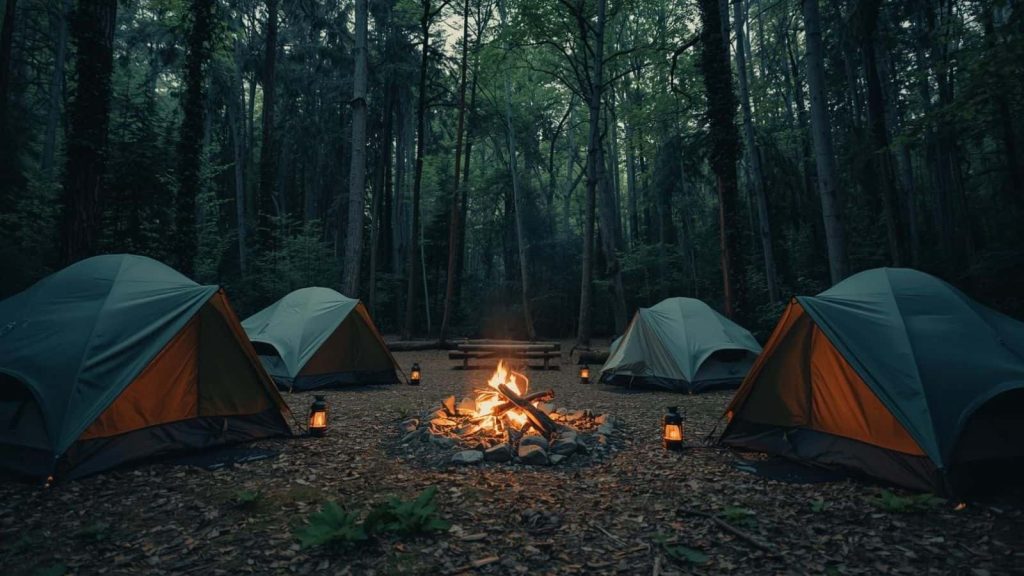
The primary ambiguity surrounding how to plan low-impact camping on a budget is the false dichotomy between “cheap” and “ethical.” Many assume that low-impact practices, such as utilizing high-performance lightweight gear or remote wilderness permits, s require significant capital. Conversely, others believe that purchasing mass-market, inexpensive plastic goods is a viable path, ignoring the downstream waste and ecological degradation inherent in such products. The challenge of how to plan low-impact camping on a budget is therefore an exercise in discerning true utility from aesthetic preference.
Oversimplification remains the most significant threat to the efficacy of these practices. A generic “Leave No Trace” checklist, while essential, does not address the site-specific biological constraints of a particular ecosystem. For instance, the impact of a campsite in an alpine tundra, where flora takes decades to recover, ver is exponentially higher than in a desert wash. Learning how to plan low-impact camping on a budget requires an iterative process of research, where the camper studies the specific resilience of the intended destination, aligns their resource usage with those constraints, and rejects the consumerist pressure to “gear up” for every conceivable contingency.
Deep Contextual Background
The trajectory of outdoor recreation has shifted from a practice of survival and self-reliance to one of consumption and leisure. In the mid-20th century, camping equipment was largely functional, repairable, and often repurposed from other industries. The late 20th and early 21st centuries saw the rapid industrialization of this domain, with the rise of global manufacturing chains that prioritize trend-driven aesthetics and frequent replacement cycles. This systemic shift has normalized the acquisition of specialized equipment for every sub-discipline of outdoor activity, often leading to massive amounts of textile and plastic waste in local landfills.
Recognizing this history is critical for the modern practitioner. We are seeing a necessary, albeit slow, movement toward the “right-to-repair” and “minimalism” in outdoor circles. This is not merely an aesthetic choice; it is a structural necessity for the preservation of wild lands. To understand the economics of the wilderness, one must acknowledge that the market thrives on the idea that “wilderness” is a product to be sold. By rejecting this and by looking toward older, more durable, and more resourceful traditions of land engagement, the camper secures a more authentic and ecologically responsible relationship with the environment.
Conceptual Frameworks and Mental Models
To evaluate the integrity of your camping strategy with the rigor required, employ these models:
-
The Consumption-Durability Ratio: This model asks, “How many hours of field use can I extract from this item before it requires replacement or disposal?” Items with a low ratio are high-impact and fiscally unsound.
-
The Ecological Disturbance Threshold: This recognizes that all human presence creates an impact. The goal is to keep that impact below the threshold where the ecosystem can recover naturally without human intervention.
-
The Logistics-to-Impact Multiplier: This evaluates the energy cost of transporting your gear. A massive, heavy, low-cost kit requires more fuel to transport, creating a significantly larger carbon footprint than a lighter, more durable, and more expensive (but long-lasting) setup.
-
The Site-Resilience Hierarchy: This ranks environments by their ability to handle human presence, from durable, managed campsites to pristine, highly sensitive wild lands that necessitate near-total avoidance.
Key Categories and Operational Variations
The following table summarizes the ethical and fiscal footprint of various camping modalities, helping you understand how to plan low-impact camping on a budget effectively.
| Modality | Gear Intensity | Impact Profile | Fiscal Footprint |
| Backcountry/Dispersed | Very Low | High (Needs high skill) | Very Low |
| State-Managed Site | Moderate | Moderate (Regulated) | Low |
| Private/Commercial | High | Low (Concentrated) | High |
| Bikepacking/Multi-modal | Minimal | Moderate (Human-powered) | Variable |
Decision logic for these categories should prioritize the lack of interference. A strategy that relies on dispersed, low-impact camping—where you carry out all waste and utilize existing, durable surfaces is inherently more ethical and cost-effective than utilizing high-amenity, commercial campgrounds.
Real-World Scenarios and Decision Logic
Consider the “Alpine Meadow” scenario. The constraint is that the ground is soft, boggy, and covered in rare, slow-growing vegetation. The decision point occurs when choosing where to place a tent. A failure mode here is following a “cheaper is better” mindset and choosing a site because it is convenient, even if it degrades the tundra. The ethical and logistical logic requires you to hike until you find a durable surface, such as rock, sand, or gravel,l where your presence will leave no lasting footprint.
Another scenario involves “Multi-Day Food Management”. You are planning a week-long trip. The failure mode is the “excess-purchase” error: buying large quantities of pre-packaged, single-use, dehydrated meals that create significant trash. The decision logic for the budget-conscious, low-impact camper is to transition to bulk-bought, non-packaged staples that provide equal nutrition at a fraction of the cost, utilizing a reusable, long-term cooking system that requires no proprietary canisters or disposal.
Planning, Cost, and Resource Dynamics
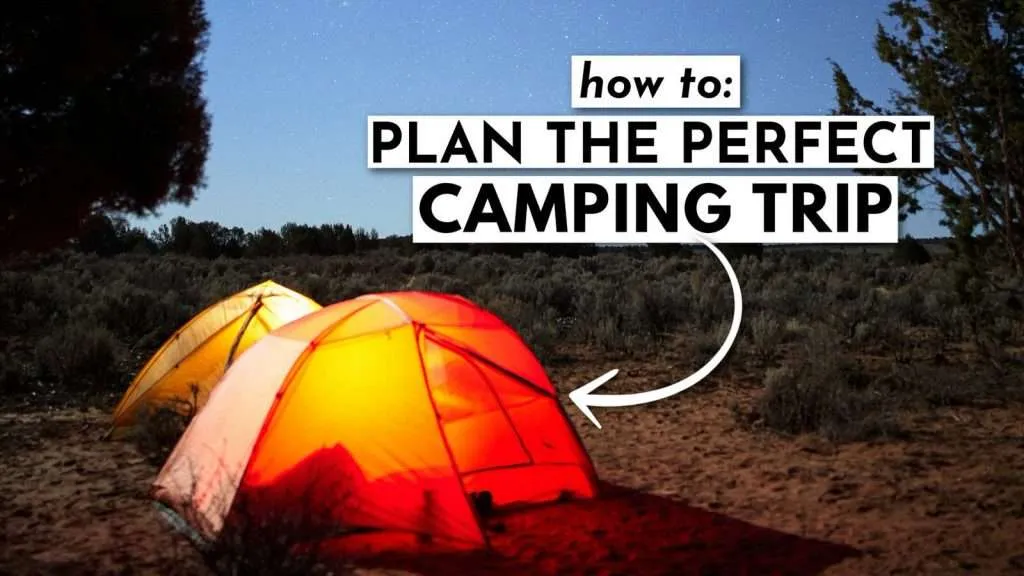
The economic management of low-impact camping is a reflection of one’s values, not just one’s bank account.
-
The Skill-Premium: Investing time in learning field craft, t-knot tying, site selection, and low-impact sanitation is the most effective way to reduce costs. A skilled camper needs less “gear-based” security.
-
Economic Leakage: Travelers must look for ways to minimize waste, ensuring that their budget is spent on tangible, high-quality resources that last for decades, not on convenience-focused items that disappear after one trip.
-
Transparency as Value: Gear that provides clear, long-term performance metrics is an investment in integrity rather than just marketing hype.
Tools, Strategies, and Support Systems
-
Independent Repair Networks: Prioritize the use of gear that can be repaired. If it cannot be repaired, it should not be part of your long-term inventory.
-
Second-Hand Procurement: Utilize established, reputable networks for obtaining gear that is functionally sound but cosmetically “obsolete” in the eyes of the consumer market.
-
Citizen-Science Contributions: Seek opportunities to participate in non-invasive monitoring (e.g., phenology tracking), which contributes to environmental science without requiring expensive equipment.
-
Third-Party Land Management Audits: Use satellite imagery and trail reports to verify the durability and capacity of your intended site before arrival.
-
Community-Based Skill Sharing: Consult local outdoor groups to gain site-specific knowledge, which is often more valuable than the most expensive equipment.
Risk Landscape and Failure Modes
The primary systemic threat is Market Complicity, where the pressure to possess the “right” gear provides the financial demand that keeps unsustainable manufacturing practices in business. Another compounding risk is Regulatory Atrophy, where local land managers lack the resources to maintain sites, forcing the responsible camper to adapt to degraded conditions.
A further risk is Cognitive Dissonance, where the camper recognizes the need for low impact but feels the social or personal pressure to prioritize comfort and convenience. Addressing this requires a firm commitment to intellectual honesty and the realization that the most profound wilderness experiences are often those that involve the least amount of “stuff.” Learning how to plan low-impact camping on a budget requires constant self-interrogation.
Governance, Maintenance, and Long-Term Adaptation
Low-impact engagement with the wilderness is a dynamic state. Governance structures must be designed to adapt to new ethological and environmental findings.
-
Adaptive Review Cycles: Every reputable camping expedition should include an after-action review of your impact where you failed, where you succeeded, and how to improve.
-
Adjustment Triggers: If you observe that your presence is causing site degradation, the management plan should trigger an automatic, immediate move to a more durable location.
-
Layered Governance Checklist: Oversight must include personal accountability, adherence to regional regulations, and a constant awareness of the local ecological feedback.
Measurement, Tracking, and Evaluation
-
Leading Indicators: The amount of waste generated (measured by weight); the extent to which you used durable surfaces; the specificity of your impact-minimization plan.
-
Lagging Indicators: The long-term durability of your gear inventory; the reduction in your total “cost-per-night” as your equipment lasts longer; the health of the sites you visited.
-
Examples of Evidence: Comprehensive inventory records, post-trip impact summaries, and the consistent maintenance of a minimal-waste baseline.
Common Misconceptions and Oversimplifications
-
Myth: “Carrying lighter gear makes me an expert camper.”
Correction: Light gear is a tool; expertise is the ability to navigate, sanitize, and camp without needing to rely on a massive, consumer-grade infrastructure. -
Myth: “Camping for free is always better.”
Correction: Many high-quality, regulated sites require a fee that directly supports the maintenance of the land, understanding that cost is part of your ecological contribution. -
Myth: “The most famous locations are the best.”
Correction: They are often the most impacted; seeking lesser-known, more durable areas can lead to a more profound experience. -
Myth: “I am just one person.”
Correction: You are part of a systemic demand that shapes how wild lands are managed; your individual choices set the standard for your footprint.
Conclusion
Learning how to plan low-impact camping on a budget is a foundational responsibility for any individual who claims to value the natural world. It requires that we move beyond the immediate, selfish desire for high-comfort gear and embrace the broader, more nuanced reality of what wild lands require to thrive: space, autonomy, and a lack of human-induced degradation. By prioritizing skill over gear, demanding systemic transparency from one’s own habits, and rejecting the practices that treat wild spaces as a disposable commodity, we can ensure that our presence is a sustainable and respectful component of the global wild.